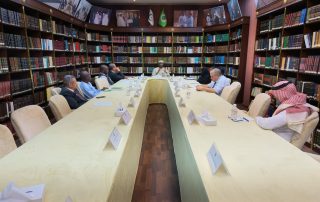
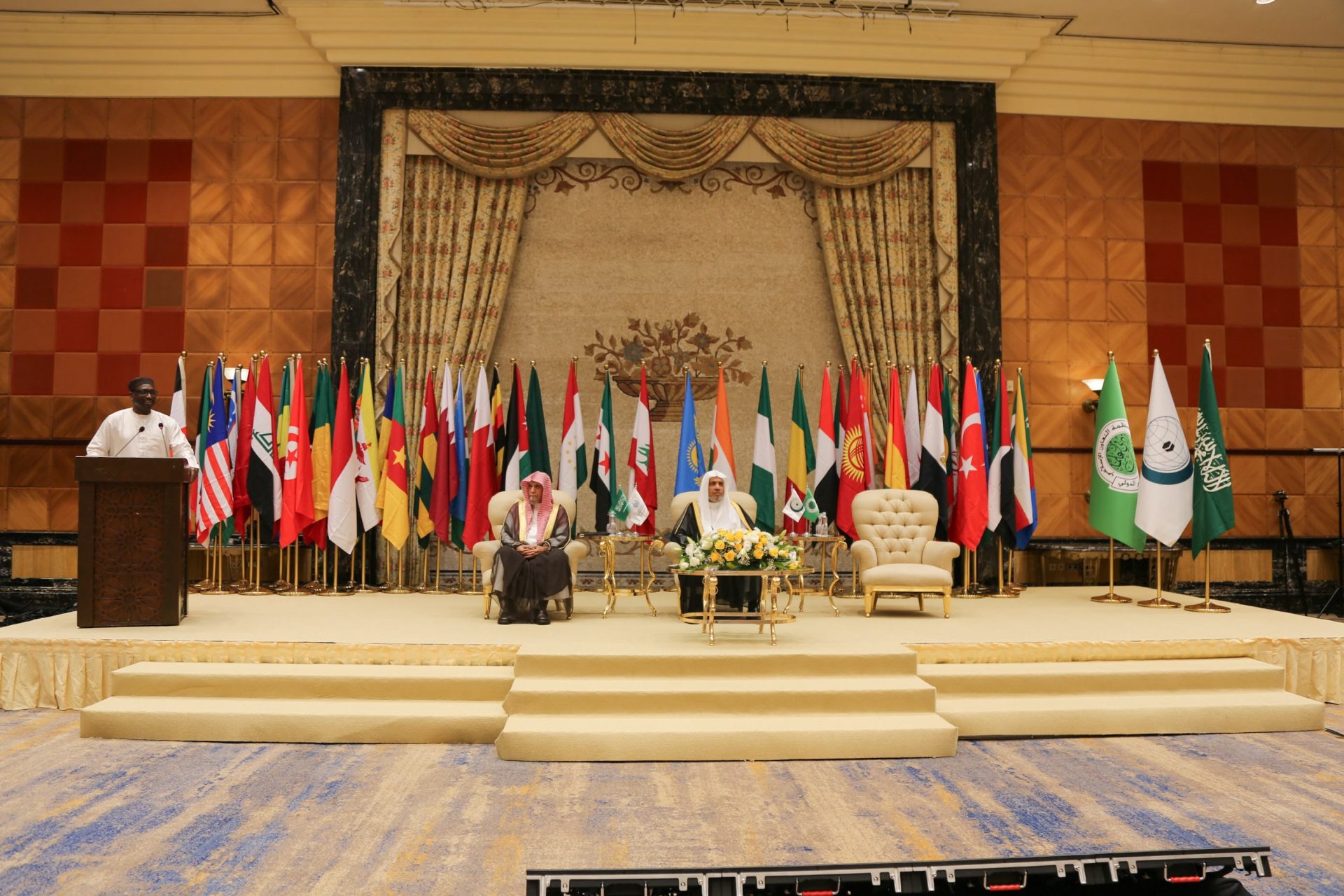
The International Islamic Fiqh Academy (IIFA) concluded on Monday, 25 Rabi‘ al-Awwal 1448 AH, corresponding to 7 September 2026, in Jeddah, the proceedings of the international seminar entitled “The Role of Religious Leaders in Combating Violence Against Women.” The seminar brought together a distinguished group of scholars, researchers, and specialists to discuss a range of religious and social issues related to protecting women from violence, as well as the role of scholars and religious leaders in correcting misconceptions, raising awareness, preventing violence, and addressing its consequences.
The closing session, which followed the official opening ceremony, featured extensive discussions of the papers and research presentations submitted to the seminar. Participants reviewed scholarly and juridical perspectives concerning the concept of violence against women, its causes and manifestations, relevant Islamic legal references, as well as societal, institutional, media, and international approaches to the issue. The discussions also highlighted the role of religious leaders in preventing violence and mitigating its effects.
Participants emphasized the importance of establishing a sound Islamic legal framework for defining and understanding violence against women, while distinguishing between authentic Sharia rulings and certain social practices or erroneous interpretations that may be wrongly attributed to religion. They stressed the need for a well-informed religious discourse that combines fidelity to Islamic evidence with an understanding of contemporary realities, thereby contributing to the protection of women’s dignity, the preservation of family stability, and the strengthening of social cohesion.
The discussions also addressed the correction of misconceptions related to certain religious texts and clarified the position of Islamic law regarding various forms of abuse, harm, and humiliation, in light of the Sharia’s principles of justice, mercy, and good conduct. Participants stressed the importance of avoiding interpretations that impose meanings beyond what the texts can bear or employ them to justify practices that contradict the objectives of Islamic law.
The seminar further examined the responsibility of religious leaders in shaping public awareness and preventing behaviors that may lead to violence. This includes promoting awareness and guidance through religious discourse, encouraging a culture of dialogue within the family, highlighting the status and rights of women, and addressing ideas and misconceptions that may contribute to justifying violence or downplaying its harmful effects.
Participants also reviewed societal, institutional, media, and international approaches to addressing this issue, underscoring the importance of coordination among religious institutions, social organizations, media outlets, and relevant authorities. Such cooperation, they noted, strengthens efforts in prevention and awareness while promoting the values of respect, compassion, and family solidarity.
The seminar’s deliberations were organized around four major themes:
- The concept of violence, its causes, and its various manifestations.
- Islamic legal references and the correction of misconceptions.
- Societal, institutional, media, and international approaches to addressing violence.
- The role of religious leaders in prevention and treatment.
The seminar aimed to provide a sound Islamic framework for defining and regulating the concept of violence against women, to clarify its forms, causes, and consequences, to correct misconceptions associated with certain religious texts, and to strengthen the role of religious leaders in preventing and confronting violence. It also sought to promote a balanced religious discourse that combines fidelity to Islamic teachings with an informed understanding of contemporary realities, thereby safeguarding women’s dignity, preserving family stability, and enhancing the security and well-being of society.
Read Also



Lastest