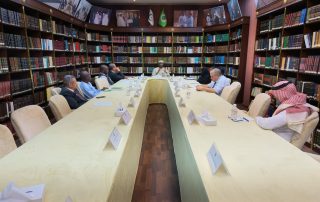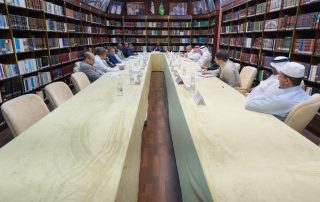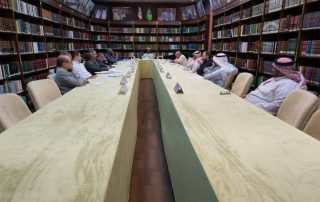
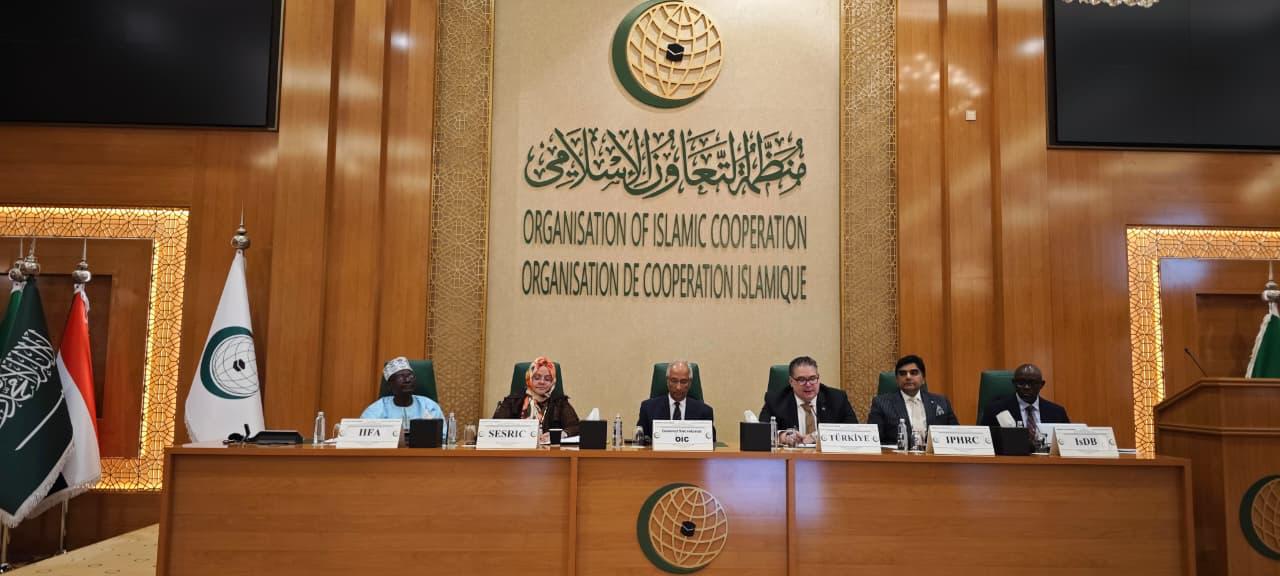
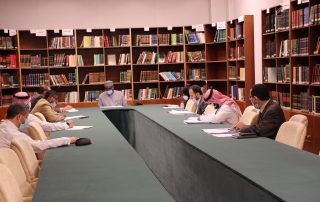
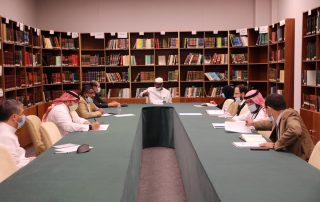
His Eminence Dr. Alhagi Manta Drammeh, Director of the Department of Planning, Development, International Cooperation, Archives and Follow-up, represented the Academy at the World Environment Day commemoration event organized by the General Secretariat of the Organization of Islamic Cooperation (OIC), in collaboration with the Permanent Mission of the Republic of Türkiye to the Organization, on Monday, 14 Muharram 1448 AH, corresponding to 29 June 2026, at the OIC General Secretariat headquarters in Jeddah.
At the outset of his remarks, Dr Alhagi Manta Drammeh conveyed the greetings of H.E. Prof. Dr Koutoub Moustapha Sano, Secretary General of the Academy, to the General Secretariat of the OIC and the Permanent Mission of the Republic of Türkiye. He expressed his appreciation for the gracious invitation and commended the organization of the event, which highlights one of the priority humanitarian and developmental issues at both the regional and international levels.
He emphasized that Islamic Sharia has established a comprehensive framework for environmental protection and the preservation of natural resources by prohibiting all forms of corruption on earth and any actions that harm its components. He noted that environmental protection and addressing climate change have become urgent issues requiring concerted efforts and inspiration from Islamic values and principles that call for the stewardship of the earth and the preservation of its balance.
Dr. Drammeh also reviewed the Academy’s efforts in this field, noting that the Academy Council issued Resolution No. 185 (11/19) on Environmental Observation in Islam during its nineteenth session held in Sharjah, United Arab Emirates, in 2009. The resolution affirmed a number of Islamic principles and rulings aimed at protecting the environment, preventing pollution and environmental damage, preserving ecological balance and biodiversity, and encouraging the reduction of practices that threaten environmental safety and the sustainability of natural resources.
He further pointed out that the Academy attaches great importance to strengthening the role of Islamic social finance in addressing the social, economic, and environmental impacts of climate change and supporting efforts to achieve the Sustainable Development Goals, particularly Goal 13 on Climate Action. This includes activating zakat, waqf, and other Islamic financing instruments to support affected communities and mitigate the effects of natural disasters.
He added: “As part of its efforts to strengthen international partnerships, the Academy has concluded a number of Memoranda of Understanding with the United Nations High Commissioner for Refugees (UNHCR), the International Organization for Migration (IOM), the United Nations Development Programme (UNDP), and the United Nations Relief and Works Agency for Palestine Refugees in the Near East (UNRWA), with the aim of enhancing cooperation in utilizing Islamic social finance instruments to help address poverty, marginalization, and challenges associated with climate change.”
In concluding his remarks, Dr. Drammeh stressed that confronting global environmental challenges requires effective international partnership and a multilateral approach that combines ethical principles, religious values, and scientific expertise. He expressed hope that the outcomes of this event would contribute to the formulation of practical visions and constructive recommendations that support the efforts of OIC Member States in environmental protection and the achievement of sustainable development.
Read Also

Lastest